Affordable Braces in Miami: Options That Fit Your Lifestyle
For many people, the idea of getting braces comes with two big questions: How will treatment fit into daily life, and how can it be made manageable over time? If you’re searching for affordable braces in Miami, you’re not alone. Orthodontic care has become more flexible and adaptable, with options designed to suit different needs, schedules, and preferences.
What once seemed like a one-size-fits-all approach has grown into a range of choices that can fit seamlessly into a variety of lifestyles. From traditional braces to more discreet solutions, patients now have the freedom to consider both function and personal style. The key is understanding what’s available, what to expect, and how to make the decision that feels right for you.
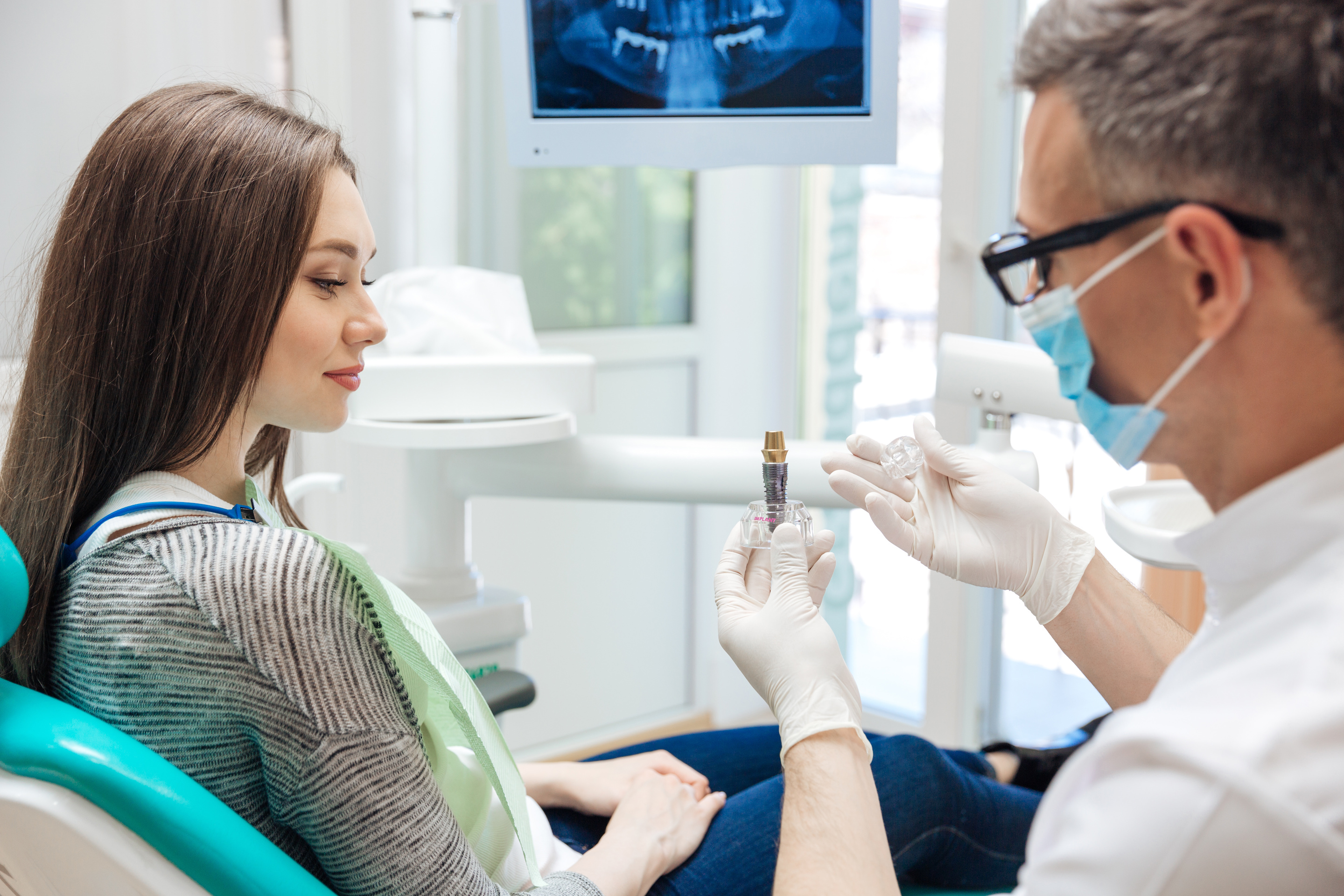
Why Braces Are Chosen by So Many Patients
Braces are most often associated with straightening teeth, but their benefits can extend beyond appearance. Many patients find that correcting alignment makes daily tasks like cleaning teeth easier, while others simply want the confidence that comes with a balanced smile. Orthodontists tailor treatment to the individual, which means your journey will likely look different from someone else’s.
The length of treatment varies, and so does the style of braces. Some patients enjoy being able to customize their braces with different colors, while others prefer a more discreet approach. The flexibility available today makes it easier for patients in Miami to find an option that doesn’t feel disruptive to their lifestyle.
READ MORE - orthodontic bite turbos
Types of Braces You’ll Find in Miami
When exploring braces options, you’ll notice that most orthodontists offer several styles. Each has its own strengths, and the “right” one often comes down to personal priorities.
1. Traditional Metal Braces
These are the braces most people picture. Made of stainless steel, they are durable and effective. Many patients appreciate that they are a reliable choice and enjoy customizing them with colored bands.
2. Ceramic Braces
Ceramic braces work similarly to metal braces but blend more with natural tooth color. Patients who prefer something less noticeable often choose these.
3. Self-Ligating Braces
These braces use a specialized clip instead of elastic bands to hold the wire. Some patients find they require fewer adjustments, making them a convenient choice.
4. Clear Aligners
Although technically not braces, aligners are often part of the conversation. They’re removable, nearly invisible, and can be a good fit for those seeking flexibility.
Each option has unique benefits, so discussing your lifestyle and goals with an orthodontist can help narrow down which may be the best fit.
Lifestyle Considerations When Choosing Braces
Braces are a commitment, and they become part of your daily routine. Thinking ahead about how they’ll fit into your life makes the adjustment smoother.
-
Work and Social Life: Some adults prefer subtle options like ceramic braces or aligners if they interact frequently in professional settings.
-
Sports and Activities: If you’re active in sports, your orthodontist may suggest protective gear to prevent accidents with braces.
-
Diet and Habits: Certain foods may be harder to eat with traditional braces, while aligners allow more flexibility since they’re removed during meals.
Your orthodontist will guide you on practical changes and how to care for your braces properly. The right choice is often the one that balances effectiveness with comfort in your everyday life.
How Orthodontists Support Patients Through Challenges
Every orthodontic journey comes with questions and occasional challenges. Whether it’s managing tenderness after adjustments or learning new brushing techniques, orthodontists guide patients with strategies that make the process smoother.
Patients sometimes bring up unrelated concerns during visits, too. For example, questions about dental injuries may arise. It’s not unusual for someone to ask about things like bruised tooth healing time if they’ve recently bumped a tooth. While this isn’t directly tied to braces, orthodontists often point patients toward the right care or resources for these situations.
This type of open communication shows the value of working with a provider who listens and takes the time to address your overall concerns, not just the braces themselves.
Expectations During Treatment
Patients often want to know how braces will feel, how long they’ll be worn, and what happens during adjustments. While experiences vary, there are a few general points you can expect:
-
Initial Adjustment: The first few days with braces may feel unusual. Many patients describe a sense of pressure as teeth begin to shift.
-
Follow-Up Visits: Regular appointments allow orthodontists to check progress and make adjustments.
-
Care and Maintenance: Brushing and flossing become especially important with braces. Orthodontists usually provide tips and tools to help.
Treatment is gradual, which can be reassuring. Small changes add up over time, and many patients find motivation by noticing improvements as they progress.
Adding a Personal Touch: Colors and Style
For younger patients—or adults who like expressing personality—braces can be fun to customize. Orthodontists often provide a brackets color wheel so patients can choose colors that match holidays, sports teams, or even personal style.
Some stick with subtle tones, while others change their look at every appointment. While this doesn’t affect how braces function, it can make the journey more enjoyable. It also gives patients a sense of ownership over their treatment, turning adjustments into something to look forward to.
Braces for Different Age Groups
Orthodontic care isn’t limited to teenagers. Increasingly, adults in Miami are choosing braces or aligners to achieve their smile goals.
-
Children: Early evaluations may help orthodontists plan future treatments or identify issues early.
-
Teens: This is the most common age group for braces, and many enjoy customizing their look with colors.
-
Adults: More adults are seeking braces now than ever before. Options like ceramic braces and aligners make treatment feel less intrusive in professional and social settings.
The versatility of today’s options makes it easier for all age groups to consider orthodontic treatment without feeling limited.
The Role of Realism in Orthodontic Choices
Part of considering braces is thinking about long-term goals versus short-term solutions. Some patients, for example, wonder about options like fake denture teeth if they’ve lost a tooth or are exploring alternatives to orthodontic care. While these serve different purposes, the comparison highlights how important it is to choose what fits both your current needs and your long-term plans.
Orthodontics is about guiding your natural teeth into healthier alignment, while dentures or prosthetics replace missing teeth. Discussing these distinctions with your orthodontist helps clarify what’s possible and what’s best for your individual case.
Questions to Ask Your Orthodontist
To feel confident in your decision, it helps to prepare a few questions before your consultation. Here are some to consider:
-
Which type of braces do you recommend for my goals?
-
How long do you estimate treatment will last?
-
What adjustments will I need to make in daily habits?
-
How often will I need to visit the office?
-
What happens once braces are removed?
Asking questions like these not only gives you practical details but also helps you gauge whether the orthodontist’s approach feels comfortable to you.
Life After Braces
When treatment ends, most patients feel excited and relieved. However, orthodontists emphasize the importance of retainers and follow-up visits to maintain results. Teeth naturally shift over time, so retainers are used to help preserve alignment.
Many patients find this stage easier than active treatment, but it’s still important to stay consistent. Your orthodontist will outline a clear aftercare plan, and following it closely can help your new smile stay in place for years to come.
READ MORE - Can You Kill Tooth Pain Nerve in 3 Seconds Permanently?
Final Thoughts
Finding affordable braces in Miami is about more than cost—it’s about options that match your lifestyle and long-term goals. Orthodontists in the area offer a range of treatments designed to give patients flexibility, whether they prefer traditional braces, ceramic alternatives, or removable aligners.
Taking the time to research, ask questions, and think about how braces will fit into your daily life ensures the decision feels like the right one. Orthodontic treatment is a journey, but with the right approach, it can be a positive and rewarding experience.
FAQs
Q. How do I know which type of braces is right for me?
Your orthodontist will review your specific needs, goals, and preferences. Traditional braces, ceramic braces, and clear aligners each have unique benefits, and the choice depends on your priorities.
Q. Can adults really get braces?
Yes. Many adults in Miami choose braces or aligners. Treatment can be tailored to suit professional and social lifestyles.
Q. How long will I need to wear braces?
Treatment times vary. Some patients complete treatment in under a year, while others may take a few years. Your orthodontist will provide a personalized estimate.
Q. Do braces hurt?
Many patients describe initial soreness or pressure, especially after adjustments. This usually lessens as you adjust. Orthodontists provide guidance on managing any discomfort.
Q. What happens after braces come off?
Most patients need to wear a retainer to maintain their new alignment. Your orthodontist will explain how often and for how long.
Disclaimer: This article is for informational purposes only and does not constitute medical advice. Always consult a licensed healthcare provider for personalized treatment recommendations.


Comments
Post a Comment