Why Invisalign in North Miami Is a Popular Alternative to Traditional Braces
When most people think about orthodontic treatment, the image that often comes to mind is a full set of metal braces. For decades, traditional braces were the most common way to straighten teeth and correct bite issues. While they remain an effective choice, many patients today are looking for options that better fit their lifestyle, appearance, and comfort. That’s where Invisalign North Miami comes into the picture.
Invisalign has become one of the most requested orthodontic treatments in recent years, especially among teens and adults who prefer a less noticeable alternative to metal braces. If you’ve ever wondered why so many people are choosing Invisalign, this article will walk you through what makes it unique, what you can expect during treatment, and how it compares to traditional braces.
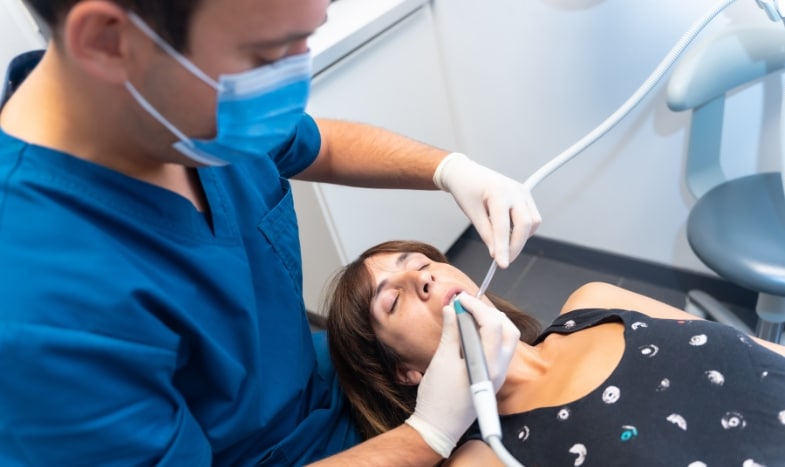
What Is Invisalign?
Invisalign is a modern orthodontic treatment that uses a series of clear, removable aligners to gradually move teeth into better positions. Instead of brackets and wires, patients receive custom-made aligners that are worn over the teeth. Each set is typically worn for about two weeks before moving on to the next. Over time, the aligners gently guide teeth into alignment.
Many patients are drawn to Invisalign because of its discreet appearance. The clear aligners are difficult to notice, which makes them especially appealing to adults and older teens who may feel self-conscious about metal braces. Since they are removable, Invisalign also allows more flexibility when it comes to eating, brushing, and flossing.
Read More - 5 Things To Know About Bracket Teeth Braces
Why Invisalign Has Become So Popular
There are several reasons why Invisalign has gained widespread popularity in places like North Miami and beyond. Some of the biggest advantages include:
1. Appearance and Discretion
The most obvious reason people choose Invisalign is aesthetics. Traditional braces are visible, but Invisalign aligners are designed to be nearly invisible. For anyone who works in professional settings, participates in sports, or simply doesn’t want the look of braces, Invisalign can be a more comfortable choice.
2. Flexibility with Eating
One of the biggest challenges with traditional braces is food restrictions. Sticky candies, hard nuts, and crunchy snacks are often off-limits. Invisalign aligners, on the other hand, are removed before meals, which means patients can enjoy most of their favorite foods as long as they brush before putting the aligners back in.
3. Easier Daily Care
Cleaning around brackets and wires can take extra time and effort. With Invisalign, patients can remove their aligners and brush and floss their teeth as usual. This often helps people feel more confident about maintaining their oral hygiene routine throughout treatment.
4. Comfort of Smooth Aligners
The aligners are made from smooth plastic, so many patients find them less irritating to cheeks and gums compared to metal brackets and wires. While any orthodontic treatment may cause temporary pressure or mild discomfort as teeth move, Invisalign tends to feel less abrasive in daily wear.
The Role of Oral Health During Orthodontic Treatment
No matter which orthodontic option a patient chooses, oral health remains an important part of the process. Maintaining clean teeth and gums helps prevent issues that may affect treatment. For example, some patients worry about decalcification teeth, which is a condition where white spots may appear due to enamel changes. Practicing good brushing and flossing habits can help reduce the likelihood of complications.
Because Invisalign aligners are removable, many patients find it easier to keep up with their oral care routine compared to cleaning around braces. Still, it’s important to follow instructions from the orthodontist, including cleaning aligners properly to avoid buildup or staining.
How Invisalign Treatment Works
Getting started with Invisalign begins with a consultation. During this visit, an orthodontist evaluates the patient’s teeth and bite to determine whether Invisalign is a good fit. Some complex cases may still be better suited for traditional braces, but many people can benefit from clear aligners.
If Invisalign is recommended, digital scans or impressions are taken to create a precise 3D model of the teeth. This model is used to design a series of aligners, each slightly adjusted to continue moving teeth closer to the desired position.
Patients are instructed to wear their aligners for most of the day—typically around 20 to 22 hours. They are removed for meals, brushing, and flossing. Checkups with the orthodontist are scheduled to monitor progress and ensure treatment stays on track.
Consistency is key with Invisalign. Since aligners can be removed, patients must take responsibility for wearing them as directed. Those who stick to the plan usually find the treatment straightforward and manageable.
How Invisalign Compares to Traditional Braces
Both Invisalign and braces are effective tools for correcting misaligned teeth and bite issues. The best choice depends on the individual’s needs, lifestyle, and preferences.
Traditional braces may be more effective for certain complex cases where precise tooth movements are required. They also do not rely on patient compliance since they are fixed to the teeth.
Invisalign, on the other hand, offers flexibility, appearance benefits, and convenience. Many patients appreciate that they can continue their routines with fewer adjustments to diet and daily care.
Ultimately, an orthodontist is the best person to guide patients in choosing between the two. Using resources like an Invisalign Dr site can also help patients find qualified providers in their area.
Lifestyle Considerations with Invisalign
Choosing Invisalign is about more than just straightening teeth—it’s also about finding a treatment that fits into daily life. Patients often mention these lifestyle benefits:
-
Sports and activities: Since Invisalign doesn’t involve wires or brackets, there’s less worry about mouth injuries during activities. Aligners can also be removed when using a protective mouthguard.
-
Special occasions: Aligners can be temporarily removed for events like weddings, presentations, or photo sessions, which is a benefit many patients appreciate.
-
Confidence boost: While orthodontic treatment is a journey, many people feel more confident knowing their treatment is less noticeable to others.
Colorful Braces vs. Clear Aligners
For younger patients or those who enjoy customizing their look, traditional braces sometimes come with options like colorful rubber bands. Shades like teal color braces have even become popular among teens who want to make their braces stand out.
Invisalign, on the other hand, appeals to those who prefer a subtler option. Since the aligners are clear, they don’t draw attention in the same way. Both choices offer unique advantages, and it ultimately comes down to personality and lifestyle.
What Patients Can Expect During Invisalign Treatment
Every patient’s treatment timeline looks different, depending on the complexity of their case. Some treatments may last only a few months, while others take longer. Here’s what the general experience looks like:
-
Initial consultation – An orthodontist examines the teeth and discusses whether Invisalign is suitable.
-
Custom aligners created – Digital scans are used to design a series of aligners tailored to the patient’s mouth.
-
Wearing aligners – Aligners are worn most of the day and changed every one to two weeks.
-
Follow-up visits – Regular check-ins help track progress and make adjustments if needed.
-
Retention phase – After active treatment, patients usually wear retainers to maintain results.
Patience and consistency are key. Many patients find the process easier than expected once they get used to the routine.
Who Is a Good Candidate for Invisalign?
Invisalign can work well for many people, but it’s not always the right choice for everyone. Good candidates typically include:
-
Adults or teens with mild to moderate alignment issues.
-
Patients who are committed to wearing aligners as instructed.
-
Individuals who prefer a more discreet treatment option.
More complex cases, such as severe bite problems, may still require traditional braces or a combination of treatments. An orthodontist can provide guidance after an exam.
Read More - CONFIDENT & BOLD SMILES START HERE
Final Thoughts
The popularity of Invisalign in North Miami reflects a growing trend: patients want effective orthodontic care that also fits into their lifestyles. Invisalign offers a discreet, flexible, and comfortable alternative to braces, making it a strong option for many people seeking straighter teeth.
Traditional braces are still a reliable choice, especially for complex cases, but Invisalign provides an appealing path for those who prioritize appearance and convenience. Whether you’re a teenager preparing for high school photos or an adult navigating a professional career, Invisalign may be worth discussing with an orthodontist.
Common Questions About Invisalign
Q. How long does Invisalign treatment take?
The timeline varies depending on the complexity of the case. Some patients complete treatment in under a year, while others may need longer.
Q. Does Invisalign hurt?
Like all orthodontic treatments, Invisalign can cause temporary pressure or soreness as teeth adjust, but many patients find the smooth aligners more comfortable than brackets and wires.
Q. How often do I need to wear the aligners?
Most orthodontists recommend wearing aligners for 20 to 22 hours per day, removing them only for meals and brushing.
Q. Can I eat with Invisalign?
Aligners should be removed before eating or drinking anything other than water. This allows patients to enjoy a normal diet without worrying about food restrictions.
Q. Is Invisalign suitable for teenagers?
Yes, Invisalign Teen is designed with features to help younger patients stay on track, including wear indicators and replacement aligners.
Disclaimer: This article is for informational purposes only and does not constitute medical advice. Always consult a licensed healthcare provider for personalized treatment recommendations.


Comments
Post a Comment