The Role of a Pediatric Orthodontist in Miami in Early Smile Development
Every parent wants their child to feel confident and comfortable when they smile. Teeth play a big part in that, but they’re also connected to how kids eat, speak, and grow. That’s why many families choose to see a pediatric orthodontist Miami early in their child’s development.
A pediatric orthodontist is trained to understand the unique needs of children as their teeth and jaws grow. This kind of care isn’t only about straightening teeth; it’s about guiding development in a way that supports healthy function and appearance. The earlier parents learn about these services, the easier it can be to make decisions that support their child’s long-term dental journey.
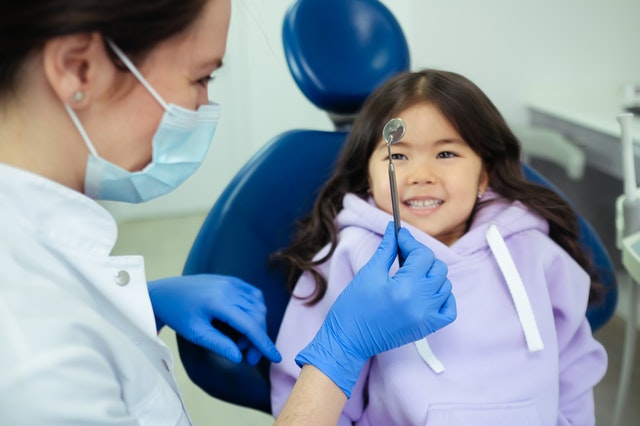
Why Pediatric Orthodontics Matters
Children’s mouths are always changing. As baby teeth fall out and permanent teeth come in, the alignment of the jaw and the way teeth fit together become clearer. While some children may never need orthodontic treatment, many benefit from an early evaluation.
Pediatric orthodontists can spot issues like crowding, spacing, or bite alignment before they become more difficult to manage. Sometimes, a child doesn’t need immediate treatment but does benefit from monitoring as they grow. In other cases, early intervention may make later treatment easier and more effective.
Read More - ORTHODONTIST FOR INVISALIGN TREATMENT SERVING MIAMI FL
What to Expect at the First Visit
Parents often wonder what happens during that first orthodontic consultation. The appointment is usually a mix of examination, conversation, and planning. The orthodontist will:
-
Review dental and medical history
-
Take X-rays, scans, or photos of the teeth and jaw
-
Check how the teeth come together when your child bites down
-
Talk with parents about what’s happening now and what may come later
Even if treatment isn’t needed right away, that first visit can provide peace of mind. Many parents leave feeling better informed about their child’s development.
Common Early Orthodontic Issues
Some of the problems pediatric orthodontists look for include:
-
Crowding. When there isn’t enough room for all the teeth to fit properly.
-
Spacing. Gaps between teeth, which sometimes signal issues with jaw growth.
-
Crossbite or overbite. Misalignment between the upper and lower teeth.
-
Thumb sucking or tongue thrusting habits. These can affect jaw and tooth development if they continue too long.
When these issues are identified early, an orthodontist may recommend specific appliances or habits to encourage healthy development.
Building Confidence in Young Patients
Visiting the dentist or orthodontist can be intimidating for children. Pediatric orthodontists often take extra steps to help kids feel safe and comfortable. They may explain procedures in simple terms, show tools before using them, or create a welcoming environment that feels less clinical.
Parents also play a big role in helping children feel at ease. Talking about appointments positively, answering questions honestly, and supporting good oral care routines at home can make a big difference.
Oral Health Questions That Come Up Along the Way
As kids grow, parents often notice changes or concerns in their child’s mouth. For example, many ask what causes canker sores and how they might affect orthodontic treatment. Canker sores can be uncomfortable, and while they usually heal on their own, orthodontic appliances sometimes make them more noticeable. A pediatric orthodontist can provide tips to reduce irritation and make kids more comfortable during these times.
Other questions may relate to accidents, delayed tooth loss, or habits like nail biting. Having a trusted orthodontist to discuss these with helps families feel more prepared.
Treatment Options for Children
When treatment is needed, pediatric orthodontists can use several approaches depending on the issue.
Braces
Traditional braces remain one of the most reliable tools for correcting alignment and bite issues. Today’s versions are more comfortable and can even be personalized with colors to make the process fun for kids.
Expanders
These devices are used to widen the upper jaw when there isn’t enough space for permanent teeth. By making small adjustments over time, expanders help create room and improve bite alignment.
Space Maintainers
If a baby tooth falls out too early, a space maintainer may be used to hold the place for the permanent tooth. This prevents nearby teeth from drifting into the empty space.
Habit Appliances
For children who have difficulty breaking habits like thumb sucking or tongue thrusting, orthodontists may recommend devices to gently guide behavior. One example is a tongue crib, which helps discourage tongue thrusting that can affect tooth and jaw position.
When Early Intervention Helps
Not every child needs braces or appliances at a young age. In fact, many pediatric orthodontists prefer to wait until most permanent teeth are in place. However, early treatment may be recommended if:
-
The jaw is growing unevenly
-
Teeth are erupting in unusual positions
-
Habits are causing noticeable changes in alignment
-
There’s a risk of more serious bite issues developing later
In these cases, early intervention can guide growth in the right direction and sometimes shorten the need for future treatment.
The Role of Parents in Orthodontic Care
Parents are essential partners in their child’s orthodontic journey. They help with scheduling, encourage at-home care, and provide reassurance during appointments. Supporting children through treatment can mean reminding them to wear appliances, preparing soft foods after adjustments, or helping with flossing around braces.
This teamwork not only makes treatment smoother but also helps kids develop responsibility for their own oral health over time.
Planning for the Future
Sometimes families also think about what happens if a child loses a tooth or needs replacement later in life. While that isn’t usually part of pediatric care, knowing about options like fake denture teeth can help parents understand the long-term picture of dental health. Even if those treatments are far off, having a broad view helps families feel prepared.
Supporting Healthy Habits
Orthodontics is one piece of overall oral care. Encouraging good brushing and flossing habits, limiting sugary snacks, and scheduling regular dental checkups all support the work of a pediatric orthodontist. These habits not only protect teeth now but also help children grow into adults who are comfortable caring for their smiles.
Read More - What Is Invisalign Express?
Final Thoughts
A pediatric orthodontist plays a valuable role in guiding early smile development. By addressing concerns at the right time, offering child-friendly care, and supporting healthy habits, these specialists give children a strong foundation for the future.
Parents who seek out a pediatric orthodontist in Miami are investing not only in their child’s teeth but also in their overall comfort and confidence as they grow. Whether treatment begins right away or later, the guidance of a trusted professional can make the journey smoother for the whole family.
FAQs About Pediatric Orthodontics
1. At what age should my child first see an orthodontist?
The American Association of Orthodontists recommends that children have their first check-up around age seven. This doesn’t always mean treatment is needed right away, but it helps identify potential concerns early.
2. Does every child need braces?
No. Some children only need monitoring, while others may benefit from early appliances or braces during the teen years.
3. How long does treatment take?
Treatment time varies. Some children wear appliances for several months, while others may have braces for one to three years.
4. What if my child is nervous about treatment?
Pediatric orthodontists are trained to help children feel comfortable. Parents can support this by talking positively about appointments and encouraging open communication.
5. Can orthodontic treatment affect daily activities like sports or playing instruments?
In most cases, children adjust quickly. Mouthguards can protect braces during sports, and with practice, most kids adapt to speaking or playing instruments with appliances.
Disclaimer: This article is for informational purposes only and does not constitute medical advice. Always consult a licensed healthcare provider for personalized treatment recommendations.


Comments
Post a Comment